Richard Peek
Richard grew up on a farm in Zimbabwe (formerly Rhodesia) and developed an interest in natural history at an early age, particularly in birds. Coached by his mother who had previously been married to a professional photographer, Richard began taking photos while in primary school. He joined the Department of National Parks and Wildlife in 1966, first as a ranger and latterly, having obtained a BSc degree in Zoology and Botany from the University of Rhodesia, as an ecologist for the Gonarezhou National Park (the second largest National Park in Zimbabwe). In the 1970’s, he was involved in the capture and re-establishment of Black Rhino in the Gonarezhou, including receiving a horn through his leg from one ungrateful individual.
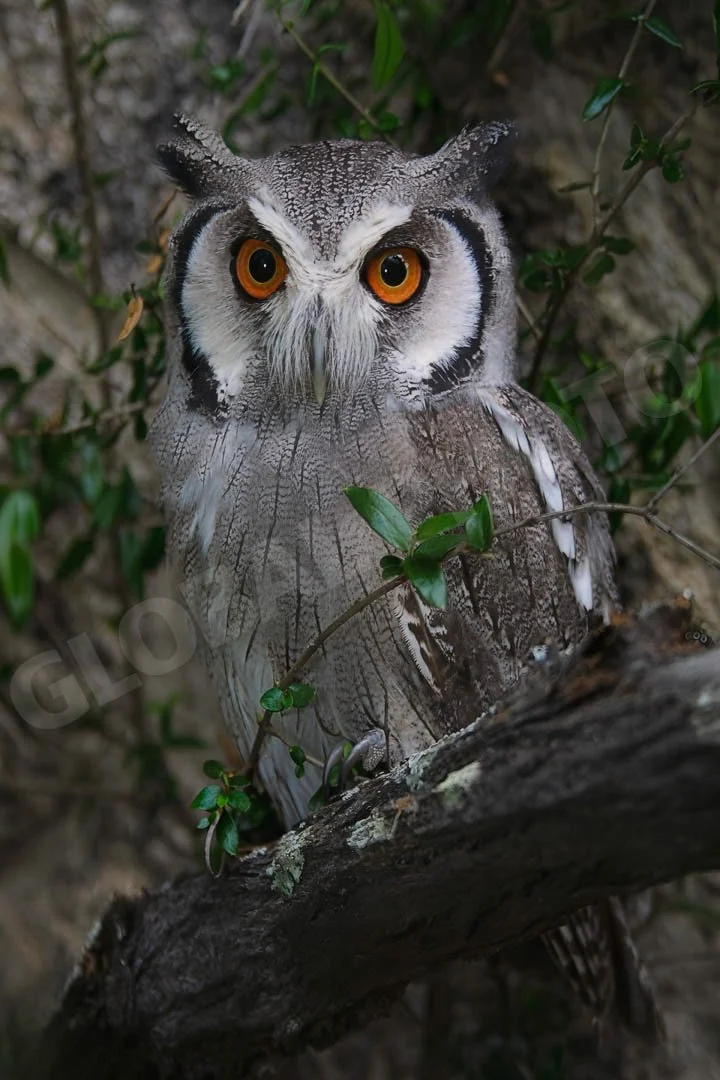
Richard became a serious wildlife photographer – making numerous contributions to various reference books and scientific papers over the years. In 1978, he left National Parks to become Curator of Mammalogy at Zimbabwe’s National Museum of Natural History, and some years later, he and his wife purchased a 3000-hectare run-down cattle ranch to the north of the Matobo National Park in Matabeleland. With careful land management and re-stocking with wildlife, they transformed the land into the Stone Hills Wildlife Sanctuary and Research Centre, where for 34 years Richard researched leopard and bird nesting and followed the breeding biology of Verreaux’s eagle, photographically documenting evidence of unusual behaviour.
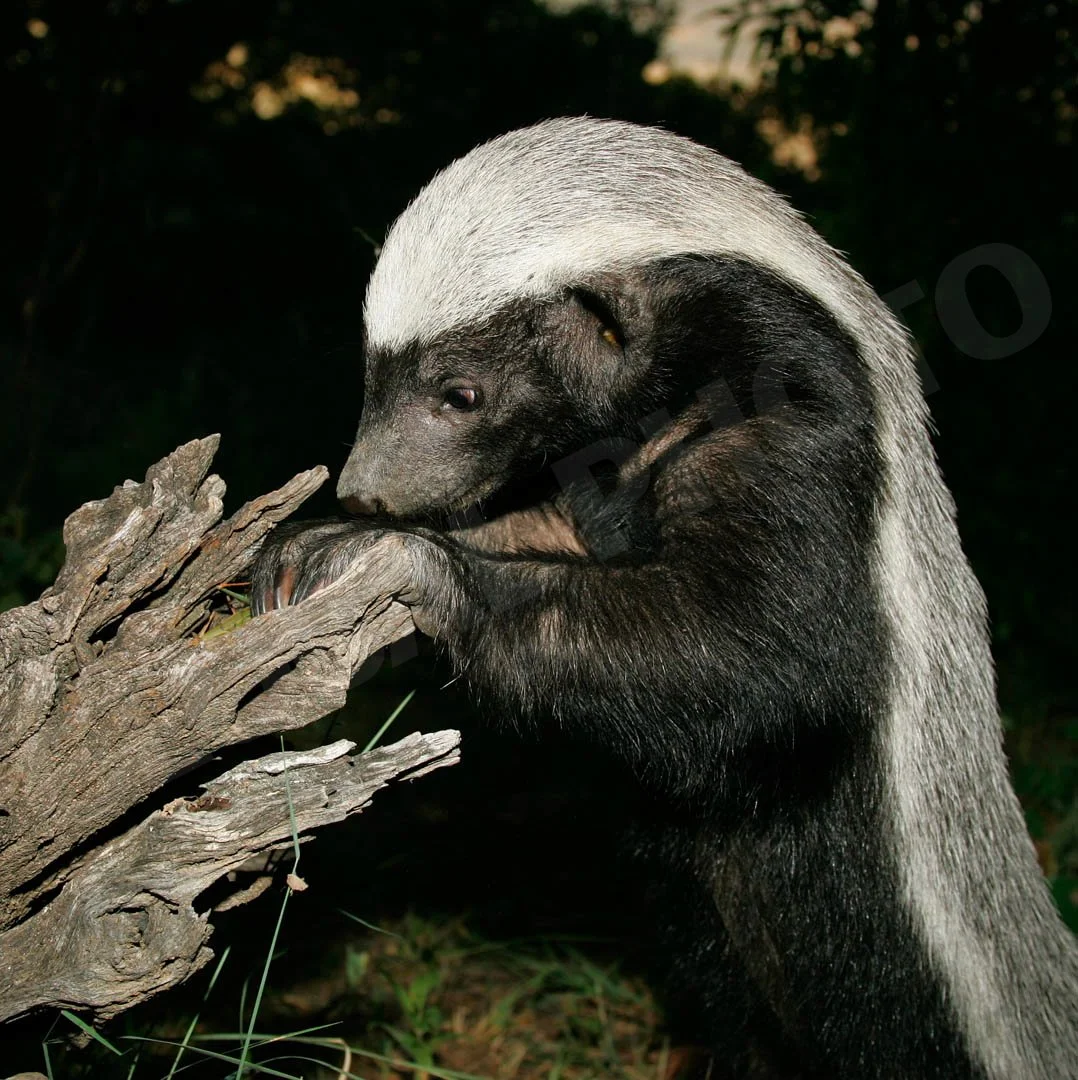
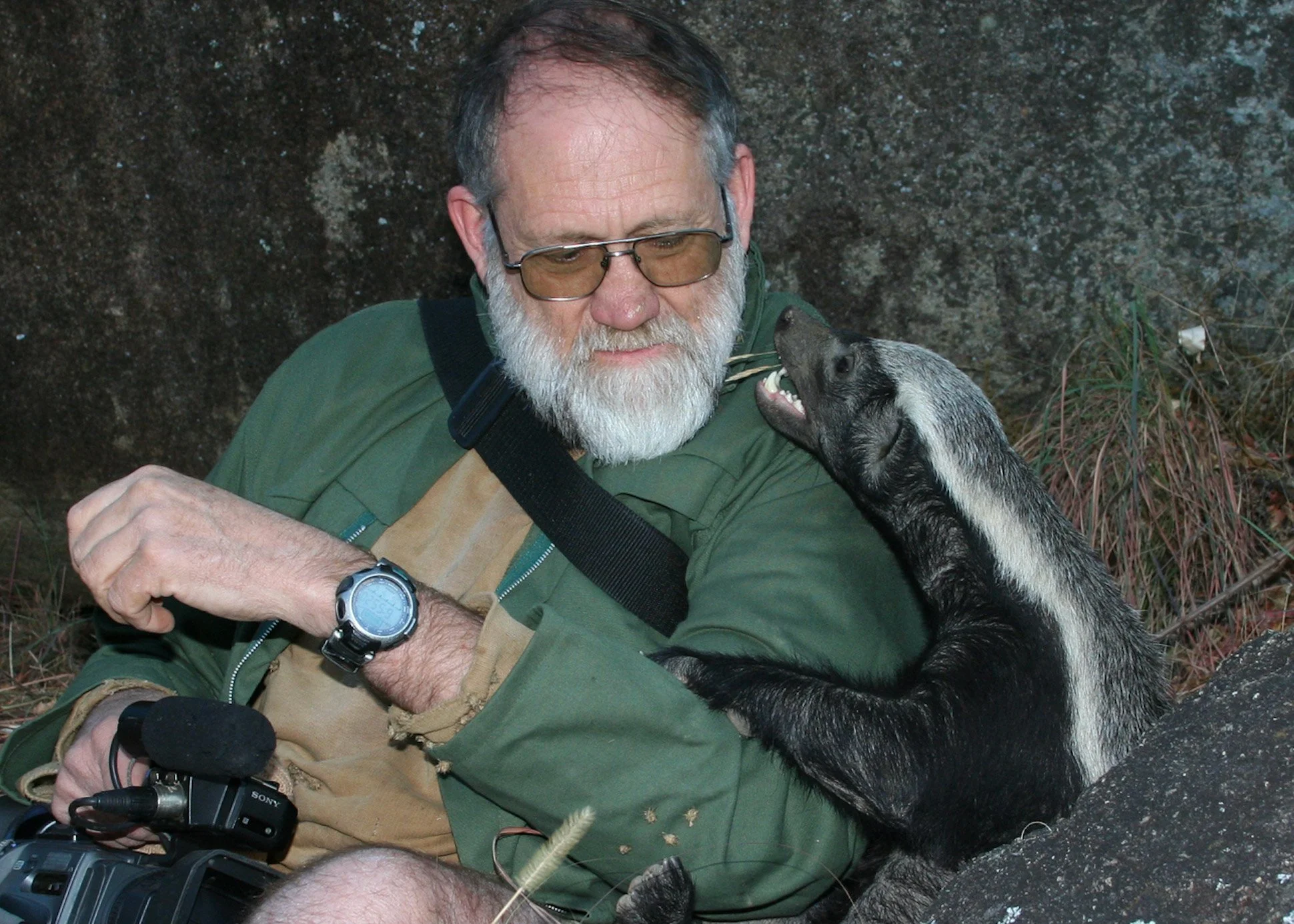
During his time on Stone Hills, he and his wife cared for numerous orphaned or injured wild animals. Wherever possible, all of these were rehabilitated and released back onto the sanctuary. One of their most interesting and life-changing experiences was raising an orphaned honey badger cub. Through their intimate relationship with this extraordinary animal, they gained unique insights into his behaviour and character, some of which they featured in their books and in a National Geographic International documentary called ‘Raising Hell’.
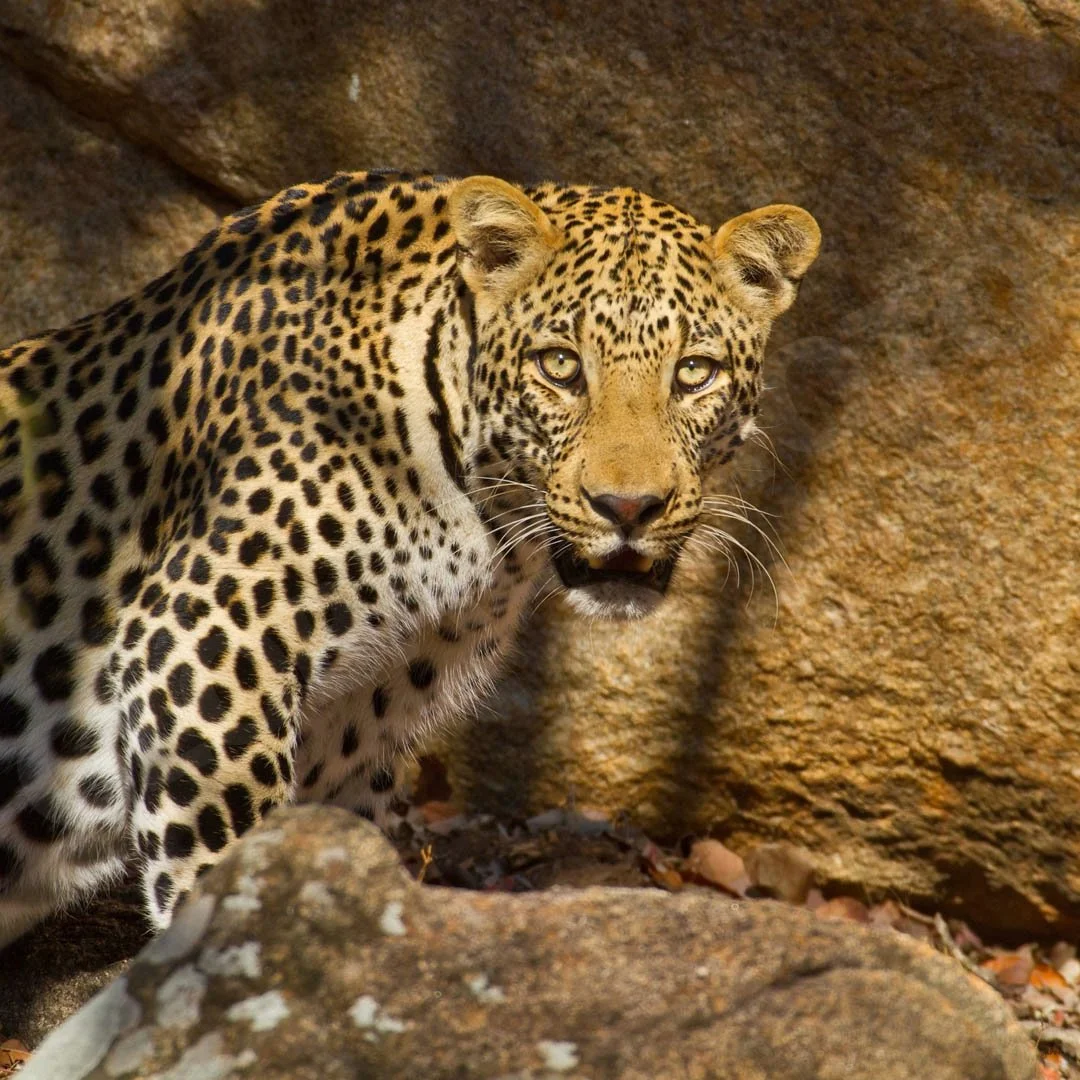
As the top predator on the sanctuary, leopards were of particular interest and this developed into a study of their breeding cycles and survival in cattle ranching area, where conflict with domestic stock is an ongoing problem.
Richard left Zimbabwe in 2022 and now resides in Costa Rica, continuing his lifestyle of documenting, photographing and caring for the environment in this little jewel of a country, famed for its biodiversity and its conservation ethic.
Richard Peek’s images